
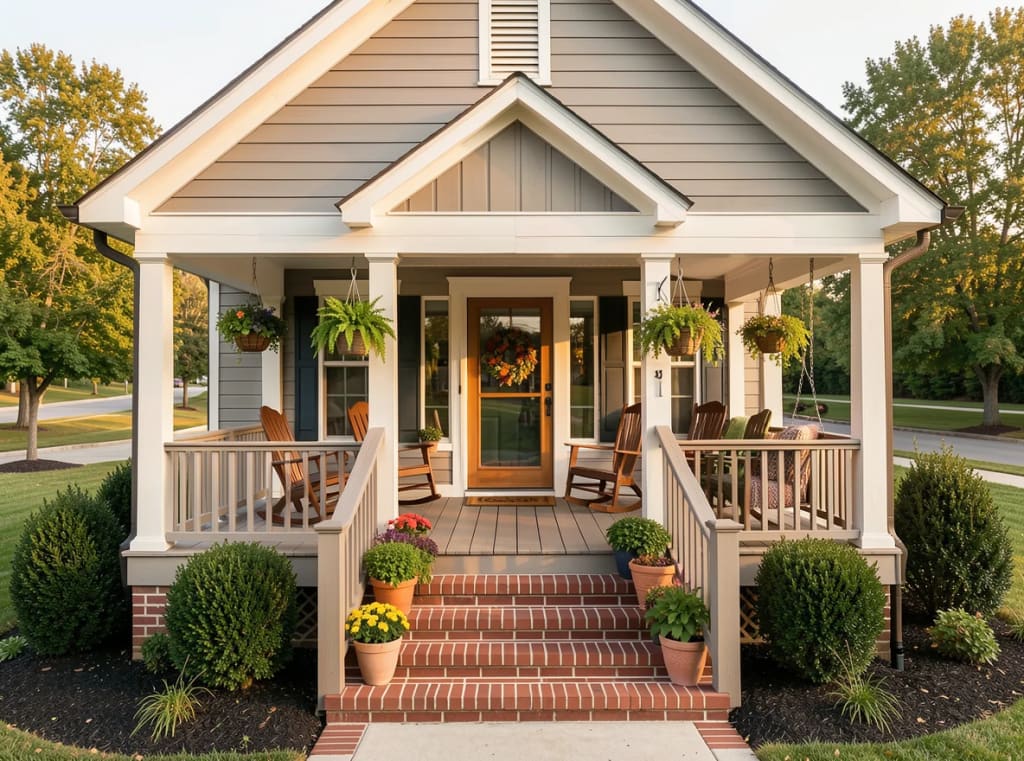
Staunton and Waynesboro: Two Distinct Options for Virginia Homebuyers
Staunton and Waynesboro: Comparing Two Shenandoah Valley Home Searches
Looking at homes in the central Shenandoah Valley often brings buyers to two nearby cities with very different rhythms: Staunton and Waynesboro. Though they sit only a short drive apart, each offers a distinct mix of architecture, amenities, outdoor access, and price points. For anyone narrowing down where to focus a home search, the most useful approach is to look beyond simple distance and pay attention to how daily life may feel in each location.
One city is often appreciated for its historic core, established neighborhoods, and walkable streets lined with older homes and civic landmarks. The other tends to attract attention for its practical access to major routes, mountain views, and a housing mix that includes both long-standing neighborhoods and newer development patterns. Neither is a one-size-fits-all answer; the better choice usually depends on what kind of housing stock, commute pattern, and local atmosphere fits your goals.
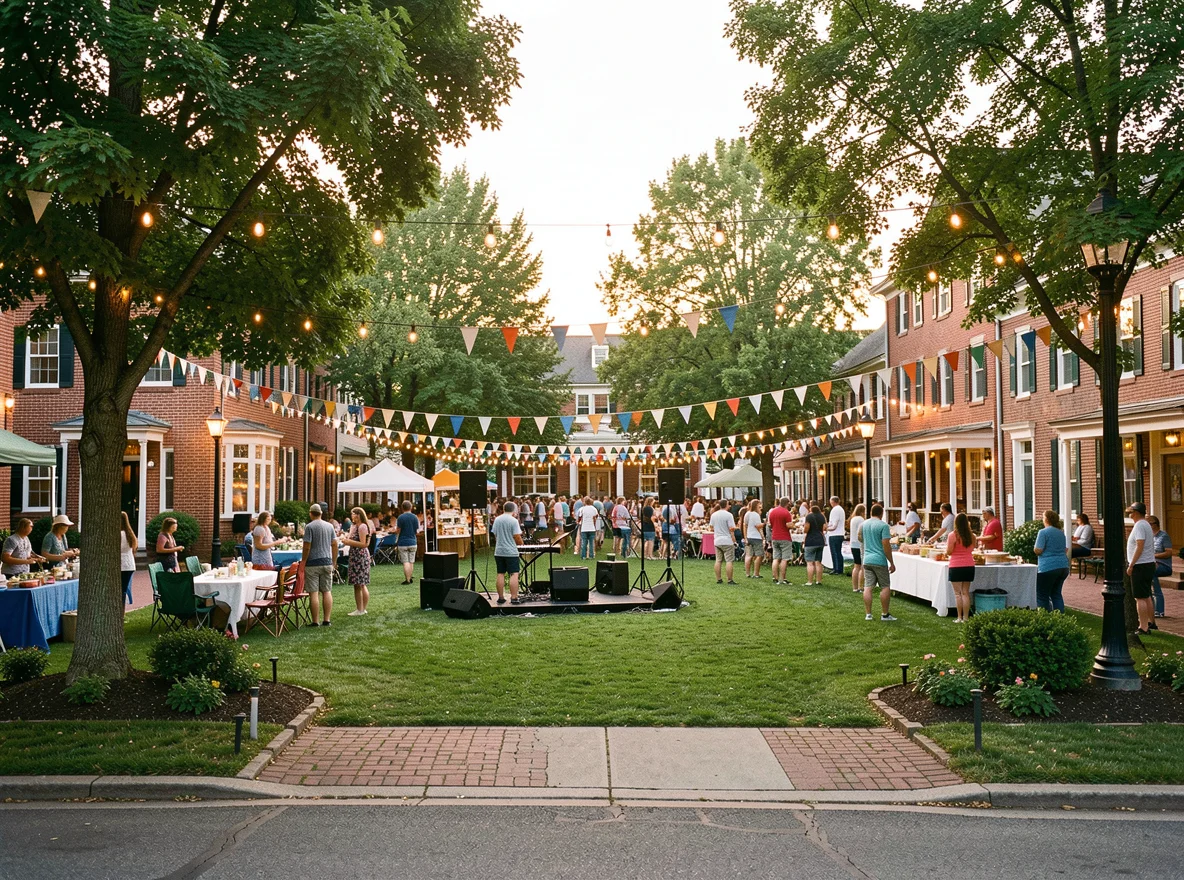
Staunton stands out for character. Its historic downtown is one of the area’s most recognizable draws, with preserved architecture, local gathering spaces, and a street network that encourages exploring on foot. Housing here can include classic brick homes, cottages, renovated historic properties, and neighborhoods where mature trees and established lot lines shape the streetscape. Buyers who enjoy details like front porches, older craftsmanship, and a sense of place often keep Staunton high on their list.
That historic appeal also affects the market. Homes in and around established areas may come with older systems, varied lot sizes, and renovation considerations that deserve close review during a purchase. In exchange, buyers may find properties with distinctive layouts and exterior styles that are harder to duplicate in newer subdivisions. The city also offers access to arts venues, locally owned dining, and year-round community events that give the area an active civic identity without relying on big-city scale.
Waynesboro, by contrast, often feels more directly tied to movement and convenience. Its location near Interstate 64 and proximity to destinations such as Charlottesville, Augusta County, and outdoor recreation corridors can be a major advantage for buyers who value regional access. Housing options may include ranch homes, split-levels, newer subdivisions, townhomes, and properties with a little more separation from the denser historic pattern found in parts of Staunton. For some buyers, that means a search with more emphasis on function, parking, and everyday efficiency.
Lifestyle, Recreation, and Day-to-Day Convenience
Daily routines can look different in these two cities, and that difference matters just as much as bedroom count or square footage. Staunton offers a downtown-centered experience with galleries, theater, coffee spots, and civic buildings folded into a compact setting. Many residents appreciate having a traditional city center where errands, events, and evenings out can happen within a relatively connected area. That doesn’t mean every home is walkable to everything, but the city’s layout creates a strong sense of arrival and identity.
Waynesboro is closely linked with outdoor access. The Blue Ridge Parkway, Shenandoah National Park connections, regional greenways, and nearby trail systems shape how many people use their weekends and free time. The city’s setting near the mountains gives it a scenic advantage, and many buyers are drawn to the idea of pairing a practical home base with quick access to hiking, cycling, and scenic drives. Retail and service areas also tend to feel more spread out, which can appeal to buyers who prioritize straightforward parking and easier car-based errands.

Dining and entertainment also differ in tone. Staunton often feels curated and historic, with a downtown experience shaped by adaptive reuse buildings and a long-established streetscape. Waynesboro can feel more contemporary and access-oriented, with options spread across commercial corridors and nearby recreational hubs. Neither format is inherently better; they simply support different patterns of living, whether you prefer an evening in a historic district or a quick launch point for a day in the mountains.
For buyers researching schools, healthcare, parks, and essential services, both cities warrant a detailed block-by-block and neighborhood-by-neighborhood review. School assignments, proximity to medical facilities, park access, and commute times can vary significantly depending on the exact property. It helps to compare not just city names but actual addresses, because a home on one side of town may offer a very different daily experience than another only a few miles away.
Housing Stock, Pricing Patterns, and What to Watch
From a real estate perspective, one of the clearest distinctions is housing style. Staunton frequently offers older homes with architectural detail and established settings, while Waynesboro may provide more opportunities in newer or more conventional layouts. Buyers who want move-in-ready simplicity may find attractive options in either market, but the inventory mix can influence how often certain features appear. Attached garages, open-concept interiors, larger primary suites, updated mechanical systems, and lower-maintenance exteriors may show up differently depending on the city and neighborhood.
Pricing trends can also vary based on inventory age, lot size, renovation level, and proximity to downtown or scenic areas. In some cases, Waynesboro may present opportunities for buyers seeking value relative to commute access and recreation. In other cases, Staunton may justify its pricing through historic setting, architectural quality, and downtown adjacency. The most reliable comparison is not city versus city in the abstract, but comparable home versus comparable home: age, condition, location, and updates always matter more than broad assumptions.
It is also worth thinking about future resale. Homes with timeless curb appeal, practical floor plans, and strong location fundamentals tend to remain competitive across changing market cycles. In Staunton, that may mean evaluating preservation, parking, and renovation quality. In Waynesboro, it may mean assessing neighborhood consistency, commuter convenience, and access to recreation or retail corridors. A thoughtful purchase in either city starts with understanding how the property works today and how it may be perceived by future buyers.
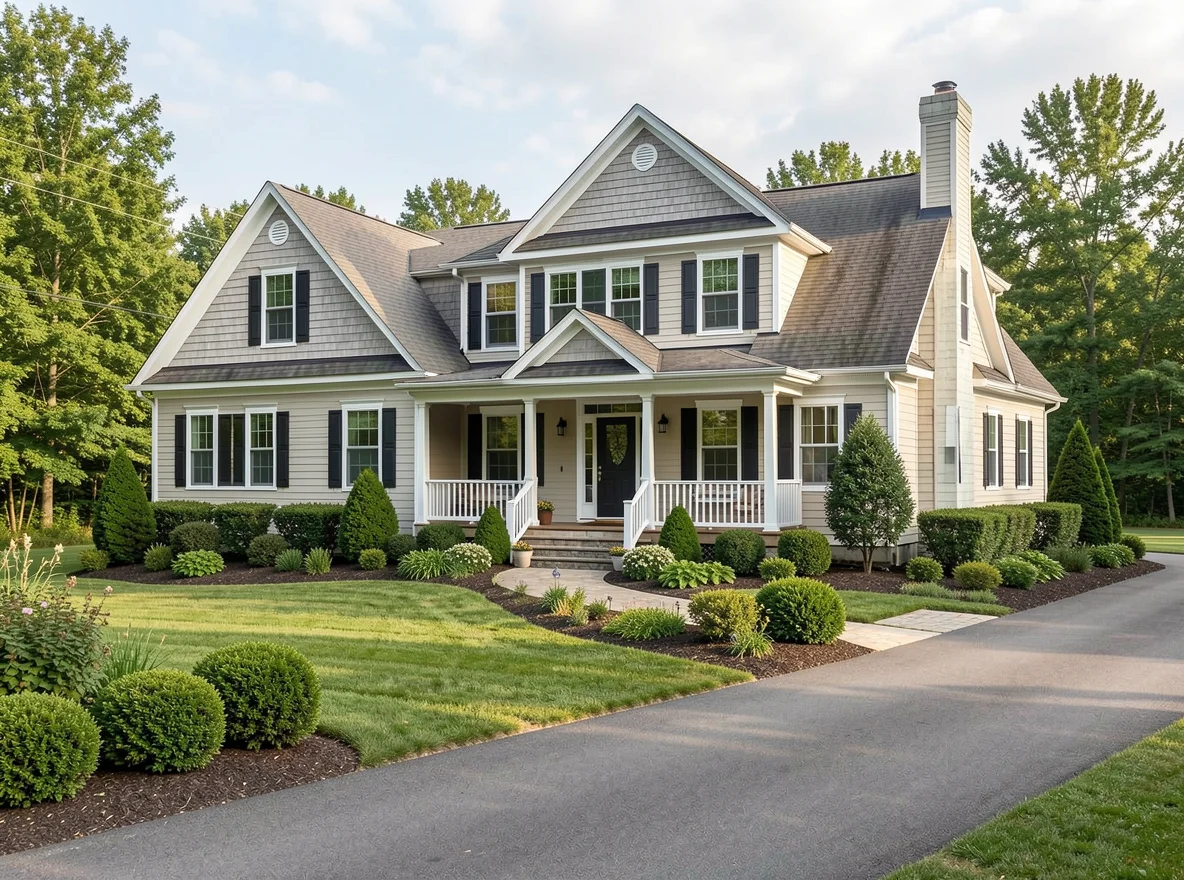
The strongest strategy is usually to tour both. Spend time in each downtown area, drive the neighborhoods at different times of day, compare how homes are positioned on their lots, and note how easily you can reach the places you expect to use most often. A city’s reputation may spark your interest, but the details of a specific street, block, and property are what turn curiosity into confidence.
For homebuyers considering the Shenandoah Valley, Staunton and Waynesboro are not interchangeable stops on a map. One leans historic and textured; the other often feels practical, scenic, and well positioned for regional movement. With a clear sense of your priorities—architecture, recreation, commute, budget, or neighborhood feel—you can approach both markets with sharper focus and find the option that best matches the life you want to build in Virginia.